Retaining wall surfaces that hold back office internet sites hardly get 2nd chances. The surcharge arises from trucks, stacked compartments, transformer pads, pedestrian live lots, also a future property that was actually certainly not part of the original plan. When the dirt would like to relocate and also the property manager wishes the car park handed over following month, tieback anchors become the silent heroes responsible for the wall. Acquiring them right is much less concerning a solitary equation and also more regarding opinion: field-verifiable capacity, constructability in true soils, and also a system that stays serviceable for decades.
What we imply through a tieback on business sites
A tieback anchor is actually a tension aspect ingrained in secure ground or stone past the possible failing surface of a kept mass. It obtains grouted, proof-tested, as well as secured off to give a long-term parallel reaction. In business work, the anchor typically companions along with soldier shafts, slab piles, secant heaps, cast-in-place wall surfaces, or even robotically stabilized planet (MSE) boards when a stabilizing collection of anchors is required on top. The support holds the side drive, the wall surface handles flexing, and also the soil carries out the rest.
Three family members control this space:
- Helical tieback anchors with screwed-in coil plates that bear in capable ground. They are actually swift to install, quick and easy to examination, and also perfect when resonance or even spoils need to be reduced. The same technology appears in commercial helical pile installation for vertical loads. Grouted anchors, which include pressure-grouted hairs or pubs. These propel connect along a grouted bulb. Heavy duty and shown at range, however they yearn for careful exploration, flushing, and also grouting standards. Micropiles made use of as tiebacks. While micropiles and micropile installation are normally linked with upright bunches in deep foundation repair, a struggling micro pile may be outlined as a tieback anchor when geometry or even installation constraints require it.
Selecting amongst helical anchors, grouted tiebacks, or even assaulted micropiles switches on the ground account, counted on deterioration, gain access to restrictions, noise and resonance restraints, ecological permitting, as well as the timetable. In built-up places, I commonly favor helical tiebacks for brief and also some permanent applications since torque-to-capacity connection is actually powerful as well as development is predictable. If the retained height is actually big, the groundwater is actually higher, or long free of charge sizes are actually required, grouted anchors usually win.
Start along with the planet stress model
For office preserving designs between 12 and also 35 feet, I begin with a global style that does certainly not hide responsible for carte blanche "active state" beliefs. I check at-rest, energetic, as well as limited-yield states because commercial walls might certainly not deflect sufficient to entirely mobilize active stress. If the wall structure belongs to a cellar that have to stay functional and plumb for architectural coatings, style closer to at-rest.
A traditional progress looks like this: describe device weight, rubbing slant, cohesion if present, as well as groundwater profile. Specify surcharge loads from website traffic, storing, or adjoining groundworks. For MSE or even soldier-pile walls, I overlay a Coulomb or log-spiral analysis and contrast to an L-Pile or even finite component style to catch hardness. If seismic performs the dining table, Mononobe-Okabe offers me an increment, however I minimize it for versatile systems if validation exists. The deliverable is actually a set of layout load envelopes with rational solution, factored, and extreme-event scenarios. Those pouches steer tieback layout.
Free size, connection duration, and the failing surface
A tieback possesses pair of major portions. The complimentary length broadcasts stress from the head to the bound zone, frequently using a coat to avoid tons move. The connect span cultivates capacity either with coil bearing or even grout-to-ground connection for grouted supports. Both portions should be beyond the breakdown surface.
I alleviate the limit balance surface area very seriously. If the wall structure has tiered geometry or even a slope above it, I make use of a method of cuts to sketch possible surfaces. The cost-free length must pick up the absolute most crucial area by an efficient scope, not merely a pipe theoretically. For permanent anchors in rough dirts, clearing up by five to seven feet is a reasonable intended. In logical profile pages, the required countered may be much less since the vital circle usually tends to squeeze the wall structure, however I still like a stream of three to 5 feets to lessen construction unpleasant surprises. If the website has gentle clay over dense sand, I prolong the free of charge duration via the clay as well as anchor in the sand, which supports creep and also strengthens test results.
Helical tiebacks: where twist fulfills capacity
For commercial helical tieback anchor installation, the device is actually a gas travel directly a backhoe or even skid steer. We keep an eye on installation twist in real time. The correlation between last installment twist and also pullout capacity has actually been validated all over 1000s of supports. I typically use a twist connection aspect in between 8 and 12 ft-lb every kip of capability for regular shaft measurements, at that point affirm along with site-specific verification exams. If the ground is actually silty with adjustable dampness, I tighten the correlation variety and lean on proof tests.
Helical tiebacks stay clear of spoils, which matters for city internet sites with tainted stuffing. The coil overlays bear in proficient layers. If a singular helix observes lower-than-expected torque, our experts incorporate plates, readjust space, or even chase after deepness to much better strata. Helical tiebacks succeed for wall surfaces as much as about 25 to 30 feets where bond spans would certainly typically get long. For taller wall surfaces, they still work, however installment twist may obtain higher, and also bar measurements require to hold that stress without twisting in the course of installment. Pairing all of them with helical piles that sustain vertical loads makes an unified device for office groundwork stabilization.
Grouted anchors: the utility vehicle for elevation as well as water
Grouted tiebacks stay my default when retained elevations increase, when groundwater complicates exploration, or even when the design asks for a long free of cost duration for dirt clearances as well as home line geometry. Their capacity relies on grout-to-ground bond, which is actually a functionality of ground type and tension grouting. Normal supreme connection anxieties range about coming from twenty to 60 psi in sands as well as silts as well as 80 to 200 psi in seasoned clay-baseds and weathered rock, but I seldom wrap up concept worths without preproduction tests.
The proficiency of the borehole and the high quality of grout placement prepared the ceiling on capability. Double-grouting or post-grouting with packers can materially raise connection. In sands with infiltration, I over-ream slightly or even utilize examining to prevent sloughing. In metropolitan work where the support easement is tight, a small-diameter, high-capacity grouted bulb may handle geometry issues that helical tiebacks cannot.
Micropiles as tiebacks when geometry demands
Micropiles, often called small piles or resistance piles when used for compression, may be put in on a concoction as well as made use of as strain factors. This possibility turns up when anchor easements perform not exist as well as our team need to always keep the embedment under our building, or when blockages protect against horizontal boring. The installation acquires from commercial micro pile installation practices: rotating collision by means of filler, hefty housing to refusal, after that stone socket if necessary. You get the versatility of a small impact and enough stress capability along with exceptional oxidation specifying, which helps in permanent structural groundwork repair.
Working tons, verification bunch, as well as variable of safety
I separate style into 2 parallel keep tracks of: architectural protection of the support tendon and also geotechnical protection of the bond. For irreversible anchors, a variable of safety of regarding 2 on geotechnical resistance at the solution load is common. Evidence examinations generally head to 1.25 to 1.5 opportunities the layout lots to confirm lock-off actions as well as creep. On building websites where prior data are sparse, I emphasize propitiatory confirmation exams at 1.5 to 2 times the layout lots to legitimize connect stress and anxiety assumptions before production.
Load steps matter. For grouted supports, hold opportunities at each step help expose creep. A typical hold is 10 moments at 133 percent of design load throughout verification testing. In vulnerable clays, I prolong keeps and check out displacement costs. If assessed creep goes beyond requirements, I boost connection length or even minimize load every anchor rather than betting on another grouting pass.
Anchor scalp style as well as spacing
Anchor spacing balances wall bending over, anchor team efficiency, and also internet site constraints. Along the wall, a three-to-six-foot space is actually common, firmed up where surcharge accumulates. Up and down, I typically stagger rows to lower splitting of dirt wedges and also to very clear electricals. Along with soldier stack and also lagging, I line up the 1st row approximately one-third down from top of wall structure, yet the last position complies with a flexing instant design and also constructability get access to. For cantilevered sectors during staged digging, the 1st row carries out massive training. If the timetable obliges us to leave behind a decrease face unsupported for days, I will definitely bias the very first row to obstruct that danger sooner.
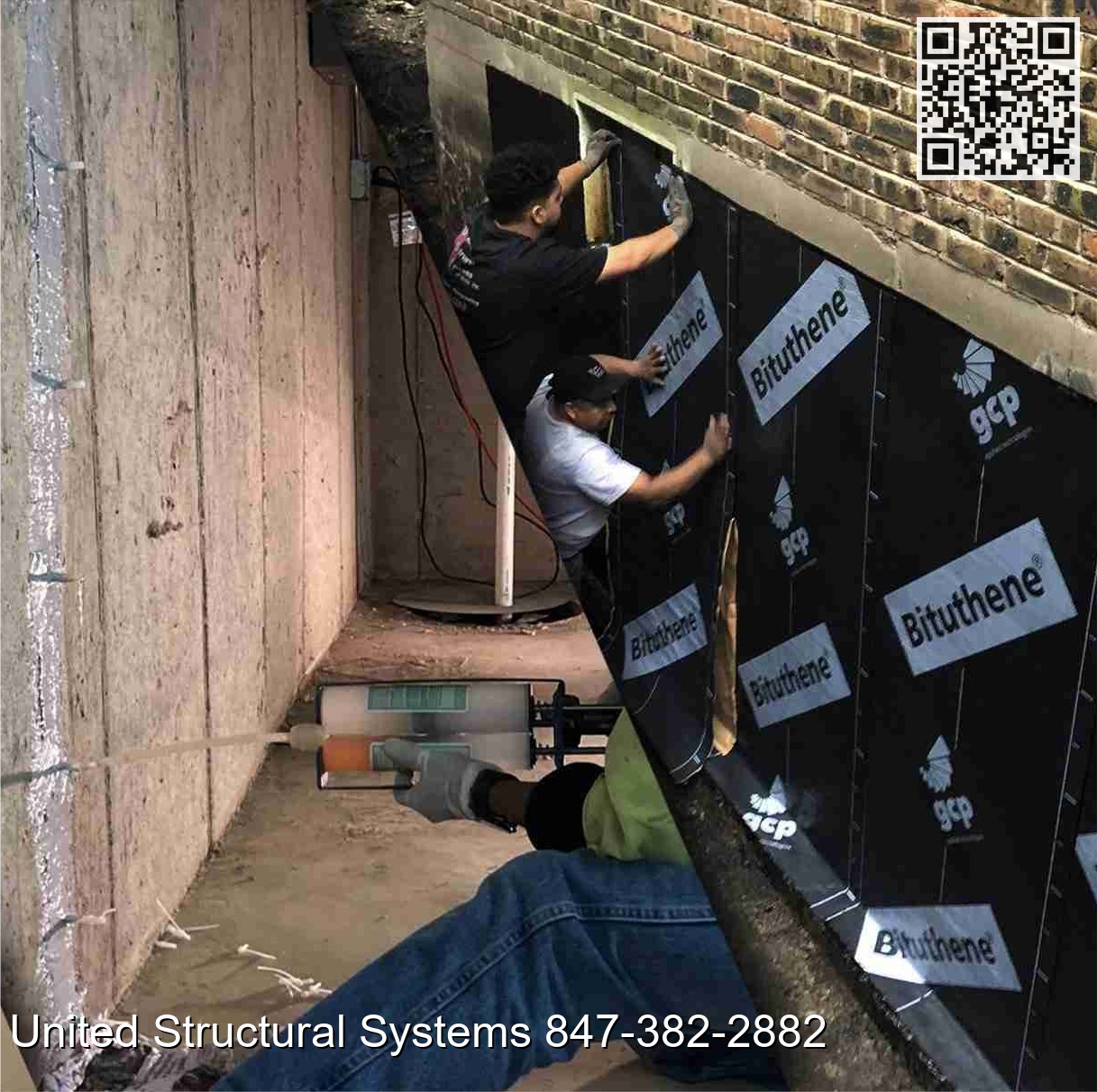
The head connection details set the mood for upkeep. Hot-dip galvanized birthing plates along with spherical washers to fit misalignment are cheap insurance coverage. In corrosive grounds, duplex coverings and also encapsulation around the head always keep air as well as chlorides away. If the wall is actually architectural concrete, hollows and grout pads hide components without losing assessment access.
Corrosion as well as service life
Permanent industrial retaining designs generally target a 75-year life span, in some cases one hundred for public clients. Deterioration defense certifying should demonstrate that. For helical tiebacks, I indicate hot-dip galvanizing as well as, for hostile websites, extra epoxy or even plastic sleeves along the free of cost length. For grouted supports, dual corrosion security is the standard for permanent job: epoxy-coated or driven tendon, oiled and also sheathed cost-free duration, and also high-quality grout enveloping the bond zone. Drainage responsible for the wall carries out much more for long-lasting efficiency than any kind of covering. Put up weeps or a collector drainpipe to keep hydrostatic tension off the device and to minimize corrosion drivers.
If a soil document banners higher sulfates, I need sulfate-resistant cement and also screen cement mix water top quality. For sea or even deicing sodium exposure, sacrificial steel density could be added to the style. I document expectations in the O&M plan thus potential designers recognize what was tallied as sacrificial as well as what was protected.
Retained height, surcharges, and real real-time loads
Design handbooks present very easy trapezoids for side tension. Actual internet sites provide you forklift alleys, piled pallets that come and go, and technical display screens at roof amounts that broadcast unexpected thrust. On one coordinations amenities in the Midwest, a 20-foot wall surface worked with paper along with a consistent 250 psf surcharge. In the course of development our company found out the customer intended to phase precast doors on the top pad. That brief stacking acted like a 900 psf online additional charge. Our experts revised anchor space, upsized many anchor rows, and readjusted wall steel. That was preventable along with a better early conversation.
I right now ask blunt inquiries: what is the heaviest trait that will ever sit within 10 feet of the wall surface, also for a day? Will a crane walk that hone during the course of lessee renovations? If future launching is plausible, I capture it either as a rare-event examination or as component of the bottom style if it is actually probably to recur. The cost of incorporating a few more anchors during the course of construction is modest contrasted to a retrofit after the lessee moves in.
Staged excavation as well as development sequencing
Tieback supports do not stay in solitude. They use while planet relocations as well as shoring stands in short-term conditions. If you are actually dealing with a slice along with soldier heaps and also lagging, the pattern manages activity. Dig deep into in lifts of 3 to 5 feets, mount lagging, drill and mount the very first tieback line, verification examination, secure off, then transfer to the upcoming lift. Carry out certainly not chase manufacturing through acquiring pair of lifts before an exam course unless you relish correcting stooped piles.
For grouted supports, grout needs to heal just before total lock-off. If the schedule is actually strict, work with a greater early-strength mix as well as a practical proof-test calendar. In winter season, deliver heat energy and also hoarding for grout lines and also scalp screening. For helical tiebacks, development may surge, which draws specialists to exceed the evaluation team. Mark a watchman to get in touch with twist and also log deepness directly. Pictures and also twist logs conserve arguments later.
Testing theory that maintains jobs honest
Reliance on estimates without screening is actually a wager versus variability. I put together three levels of proof:
- Preproduction propitiatory bunch examinations to confirm style connection stress or even torque connections, one examination for each essential soil stratum. If the site possesses pair of unique tolerating areas, I test both. Proof tests on a fraction of manufacturing anchors, generally 100 percent for the initial row and also 10 to 20 per-cent after that, readjusted based on performance. Performance surveillance of the wall surface in the course of building and construction, with poll scores or inclinometers for taller walls or even where adjoining buildings are sensitive.
Creep standards need to be clear in the standards. A traditional acceptance is lower than 0.04 inches in the final one-minute grip during the course of verification testing at 133 per-cent of style load, yet I change through project. If a helical tieback presents a modest upward creep style yet passes complete movement, I cross-check the soil coating and also think about incorporating an additional coil or going after a denser level rather than taking limited performance.
Property lines, energies, and legal easements
Anchors cross property lines unless you prepare for them. Attorneys enter into the style if the support bulb trespasses. On thick websites, I first map power hallways, hurricane pipes, as well as easement restraints. If the tiebacks have to stay on our side, battered micropiles or short bound regions along with much higher stress grouting help. When the easement makes it possible for crossing, I always keep a minimum clearance to existing utilities as well as plainly document as-built azimuth as well as angle for future diggings. Concrete coring sleeves at energy crossings add a coating of safety when the wall structure gets future penetrations.
Serviceability: always keeping wall surfaces straight and also tenants happy
Even when durability inspections crystal clear, service manages exactly how the wall surface feels. Occupants notice a top-of-wall deflection of half an inch on a 20-foot wall structure if it makes handrails wobble. Restricting deflections to around 0.5 to 0.75 ins at the top typically keeps wall structures aesthetically true. Tiebacks that are too few and also excessively loaded make a sawtooth deflection design between piles. A lot more anchors at lesser bunches refine the curvature contour as well as reduce flexing in walers or even soldier shafts. That may appear like excessive in a spreadsheet, yet it purchases itself in calmer surfaces as well as less service warranty calls.
Choosing in between helical, grouted, as well as hybrid systems
No singular anchor style resolves every office maintaining problem. I make use of a simple psychological source that represents ground, gain access to, schedule, and efficiency:
- Clean sands or rigid residues along with minimal groundwater and also tight job windows choose helical tieback anchor setup. You receive urgent capability verification with torque, reduced spoils, as well as peaceful operations. Mixed fills up, higher groundwater, or even long cost-free spans push me toward grouted anchors. Tension grouting discovers spaces and creates durable bond regions behind the failure surface. Sites without any support easements, massive obstructions, or even intense geometry occasionally ask for battered micropiles as tiebacks or even a crossbreed: helical tiebacks in one zone, grouted anchors where scope and also connect are actually critical.
Commercial resistance pile installment as well as commercial helical pile installation turned up in the same breath when the wall surface additionally needs to have vertical assistance at a quality beam or even when deriving becomes part of the extent. That control can easily conserve mobilizations as well as take uniformity to screening, evaluation, and also products around deep foundation repair and tieback work.
Detailing for durability, examination, and repair
I yearn for a support that could be assessed, retensioned if required, and resisted most of its life. That causes information like accessible bearing plates, removable cover plates, as well as drain paths that maintain heads dry out. For permanent helical tiebacks, indicate corrosion-protected couplers and secured caps. For grouted anchors, epoxy encapsulation around the scalp combined with weeps minimizes microclimates that eat why commercial foundation repair is important steel.
Where foundation crack repair appears in neighboring designs, I try to find origin in wall surface activity. Occasionally a crack in a piece on the upper pad banners tieback relaxation or water pressure behind the wall structure. Having actually chronicled lock-off tons and a surveillance standard provides the staff a swift technique to separate structural foundation repair needs to have from aesthetic fixes.
Cost, routine, as well as what unpleasant surprises you on site
Budget holders really want a solitary number every anchor. The fact is a variety until testing begins. Helical tiebacks commonly give price surety earlier because torque correlates in real time. Grouted anchors hold additional consumables and also more effort, however they can easily provide higher abilities per support, which might reduce the count. Micropiles as tiebacks tend to become the fee alternative yet unlock internet sites that would certainly otherwise stall.
The most significant schedule awesomes are utilities that were actually not where the study pointed out, water appearing in an airlift you thought was actually dry out, and also testing problems. I prewire delegations for alternating support kinds so our team may pivot if soils come in looser than the borings indicated. That flexibility, plus a pre-negotiated unit cost for added connect size or even additional helices, keeps the work moving.
An area example that connects it together
On a warehouse development in Pennsylvania, the design called for a 28-foot cut for a new lesser packing dock. The upper lawn lugged forklifts and also regular container stacking. Borings presented 5 to eight feets of stuffing, underlain through frosty till along with a perched aquifer after rainfall celebrations. Property limitations left behind merely a slim support easement.
We modeled earth stress at limited-yield due to the fact that the building standards made it possible for simply moderate wall structure action. A hybrid service developed. The top two rows utilized helical tiebacks, put in rapidly to record the routine home window, with torque connection validated by preproduction lots examinations. The reduced row, which required a much longer free of cost duration to surpass the possible failure surface as well as to recognize the easement, changed to grouted supports with post-grouting to develop connect in the till. Walers picked up bunch redistribution throughout organized excavation, as well as the staff maintained excavation one airlift behind testing.
During a damp week, the perched aquifer rose, as well as cement profits got chaotic. The specialist changed to quick covering sections and a more thick grout mix, which maintained bores. Verification exams attacked 140 percent of layout tons with creep comfortably listed below requirements. The wall structure topped right, as well as a year later the maintenance group reported dry anchor heads and also no negotiation along the top advantage. That outcome hinged much less on a smart formula and also additional on pragmatic choices under site constraints.
Where tiebacks comply with more comprehensive groundwork work
Commercial foundation repair often arrives as a package. A retaining wall requires tiebacks while the nearby piece reveals action, or even a building development calls for both sidewise as well as upright support. Helical piles and resistance stacks take upright tons. Helical tiebacks and grouted anchors take sidewise propulsion. Micropiles cover challenging dirts or even clearance-limited spaces for each. Working with these devices along with one installer minimizes user interfaces and also gives you a single testing program. It also addresses the unavoidable concern when an owner talks to whether deep foundation repair and anchor work can share mobilization and oversight. Yes, and it typically conserves weeks.
Practical inspections before you release drawings
If you wish a simple, high-value swing that catches most complications, manage this short list prior to you mark:
- Does each tieback's cost-free size clear the most vital breakdown surface area through a rational balanced out, chronicled in the calc set? Are working loads lined up with an exam planning that includes at the very least one sacrificial proof examination in every unique bearing stratum? Have you sized corrosion defense and also chronicled life span expectations, consisting of cement kind, finishes, and water drainage paths? Do support angles, spaces, and also easements crystal clear electricals and also residential or commercial property lines with room for building tolerances? Is certainly there a monitoring plan for wall surface movement and also an action method if curvatures exceed trigger values?
If those 5 things are sound, the rest usually tends to fall under place.
Final thought and feelings coming from the field
Tieback supports do well when the layout recognizes ground irregularity, always keeps screening main, and also leaves room for construction truth. The arithmetic concerns, but so do twist logs, cement gains, and also the opinion to modify program when a restriction contour abstractly carries out certainly not match the cut skin you find. Commercial helical tieback anchor installation, grouted anchors, as well as micropiles each possess streets where they radiate. Utilize all of them as aspect of a single system that stabilizes ability, resilience, as well as utility, and your preserving frameworks will gently do their job while everything around all of them obtains constructed, packed, as well as reloaded for years.